Imagine this: your application just went viral, or a massive marketing campaign successfully drove millions of users to your platform. It is a moment to celebrate—until your servers crash under the weight of the traffic.
When we build software systems, one of the most critical goals is ensuring they can handle massive amounts of work efficiently. You don't just want a system that works; you want a system that scales.
In this article, we will dive into the fundamental concepts of high-throughput systems, clarify the age-old "Throughput vs. Latency" debate, and share practical strategies for architecting systems that thrive under heavy loads.
What is a High-Throughput System?
High-throughput systems are designed to process vast quantities of data or transactions within a given timeframe.
Throughput refers to the actual volume of work a system completes in a specific period. Think of it as the width of a highway: a wider highway allows more cars to pass through per minute. * A web server might process 10,000 requests per second. * A financial database might handle 50,000 transactions per minute.
The math is simple: the higher the throughput, the more work gets done in the exact same amount of time.
Throughput vs. Latency: Understanding the Trade-off
A common trap engineers fall into is confusing throughput with latency. While they are related, they measure entirely different things:
- Latency measures time. It is the lifespan of a single operation from start to finish (e.g., the 200 milliseconds it takes for a user to click a button and see a result).
- Throughput measures volume. It is the total number of operations completed over time.
The Balancing Act: A system can have low latency but low throughput if it processes individual requests blazing fast but can only handle three concurrent users. Conversely, a system might boast massive throughput but high latency if it processes millions of requests simultaneously, but each individual request takes five seconds to clear.
Often, you have to trade one for the other. For instance, batching multiple database writes together dramatically increases overall throughput because the system processes many items in a single round trip. However, batching forces early requests to wait in a queue for the batch to fill up, thereby increasing their individual latency.
5 Practical Strategies to Build High-Throughput Systems
To build systems that can handle immense pressure without breaking a sweat, you need to move beyond basic architecture. Here are the core strategies to maximize your throughput:
1. Embrace Asynchronous Processing
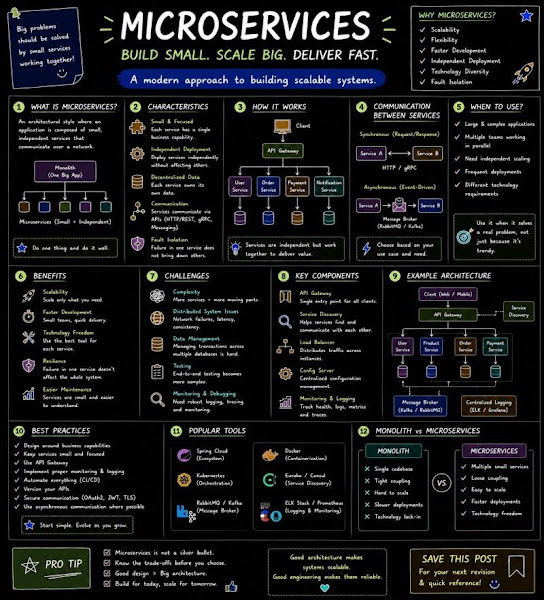
If a task doesn't need to be completed instantly while the user waits, move it to the background. By utilizing message brokers like Apache Kafka or RabbitMQ, you can decouple your services. Your main application quickly acknowledges the user's request (lowering latency) while background workers process the heavy lifting at their maximum capacity (maximizing throughput).
2. Scale Horizontally
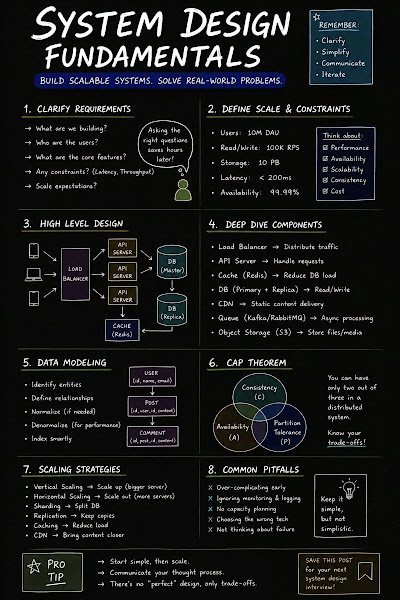
Vertical scaling (buying a bigger server) has a hard limit. Horizontal scaling (adding more servers) offers nearly infinite throughput. By placing a Load Balancer (like NGINX or AWS ALB) in front of stateless application servers, you can distribute incoming traffic evenly, allowing your throughput to scale linearly as you add more machines.
3. Implement Aggressive Caching
The fastest database query is the one you never have to make. Every trip to the disk is a bottleneck. By caching frequently accessed data in memory using tools like Redis or Memcached, you instantly free up your database to handle complex write operations, drastically increasing your system's overall read throughput.
4. Optimize the Database Tier
Databases are usually the first thing to choke under high throughput. To prevent this, consider: * Read Replicas: Route all read-heavy traffic to secondary databases. * Sharding: Split your massive database into smaller, faster, more easily managed parts across multiple servers. * Connection Pooling: Reuse database connections rather than constantly opening and closing them, saving massive amounts of computational overhead.
5. Utilize Smart Batching
As mentioned earlier, batching is a throughput superpower. Whether you are writing logs to disk, sending analytical events, or committing database transactions, grouping these operations into single, bulk requests minimizes network overhead and maximizes the efficiency of your system's I/O operations.
Final Thoughts
Building a high-throughput system is rarely about writing "faster" code; it is about designing smarter architecture. By understanding the critical trade-offs between latency and throughput, and by implementing strategies like asynchronous processing, horizontal scaling, and caching, you can build resilient systems ready for whatever scale your business demands.